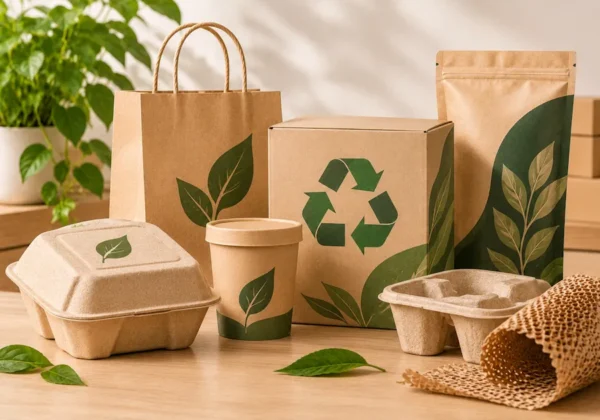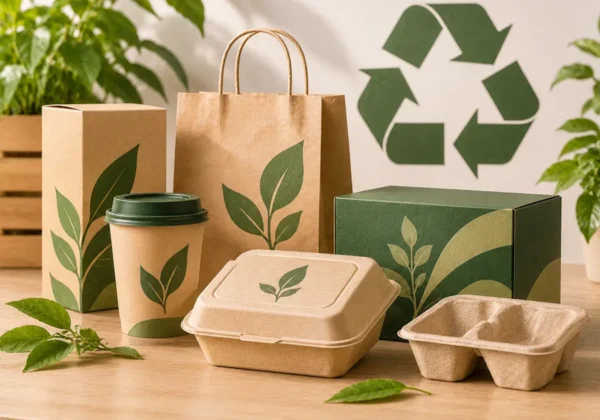

Biodegradable and compostable get used interchangeably in casual conversation, but they’re meaningfully different claims, and confusing them is one of the more common sources of greenwashing in food packaging. Compostable packaging breaks down into usable organic matter within a defined, certified timeframe under specific conditions. Biodegradable is a broader and much less regulated term — it just means a material will eventually break down, with no guaranteed timeframe and no requirement that it break down into anything beneficial.
What “Biodegradable” Actually Guarantees
This is less than most people assume. A material can technically be biodegradable and still take decades to break down, or break down into microplastic fragments rather than fully decomposing — plenty of conventional plastic is technically biodegradable under a long enough timeframe and specific conditions, which is part of why regulators in a number of markets have started restricting unqualified “biodegradable” claims on packaging. Compostable claims, by contrast, generally require third-party certification specifying a defined breakdown timeframe and, often, that the material must not leave behind toxic residue.
The practical takeaway: a “biodegradable” label alone doesn’t tell you much about how a package will actually behave in the real world. A “compostable” label, especially one carrying a recognized certification, tells you considerably more, because it comes with an enforced standard behind it.
What’s Actually Used in Biodegradable Food Packaging
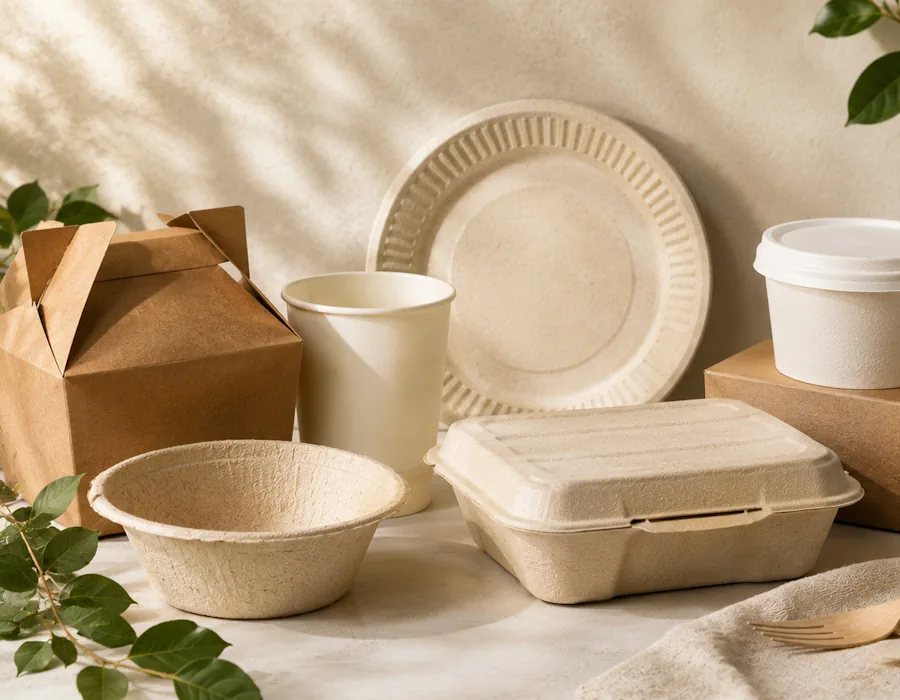
Materials marketed as biodegradable in food packaging typically fall into a few categories. Plant-based bioplastics like PLA are the most common, and many of these are also certified compostable, which is the stronger and more useful claim to look for. Paper and molded fiber are naturally biodegradable without needing a special formulation, though moisture-resistant coatings on some paper packaging can slow that process down considerably. And some newer materials, like mushroom-based (mycelium) packaging, are both biodegradable and, in many formulations, home compostable, making them a genuinely stronger option where cost and structural needs allow for it — one of several alternatives we compare in our packaging materials guide.
Why This Distinction Matters for Brands
If sustainability messaging matters to your brand, the choice between describing packaging as biodegradable versus compostable isn’t just semantic — it affects both the environmental outcome and the legal exposure of the claim itself. A number of markets now require substantiation for biodegradable claims specifically, since the term has been used loosely enough to draw regulatory attention. Where a material genuinely meets a compostable certification standard, using that more specific, verifiable claim is both more accurate and generally safer from a compliance standpoint than a vaguer biodegradable claim.
Frequently Asked Questions
Is biodegradable food packaging the same as compostable?
No — biodegradable just means a material will eventually break down, with no guaranteed timeframe. Compostable requires certification specifying a defined breakdown period under specific conditions, typically industrial composting.
Does biodegradable packaging break down in a landfill?
Often very slowly, if at all — landfills are designed to minimize decomposition, and many biodegradable materials need oxygen and specific conditions that landfills don’t provide.
Is bioplastic the same as biodegradable plastic?
Not necessarily. “Bioplastic” refers to plastic made from renewable sources like corn starch, which is a separate question from whether that plastic actually biodegrades. Some bioplastics are also biodegradable or compostable; others are chemically identical to conventional plastic despite being plant-derived.
Can I call my packaging biodegradable without certification?
It depends on the market, but a growing number of jurisdictions require substantiation for this specific claim, given how loosely it’s historically been used. A certified compostable claim is generally a safer and more meaningful alternative where the material qualifies.