
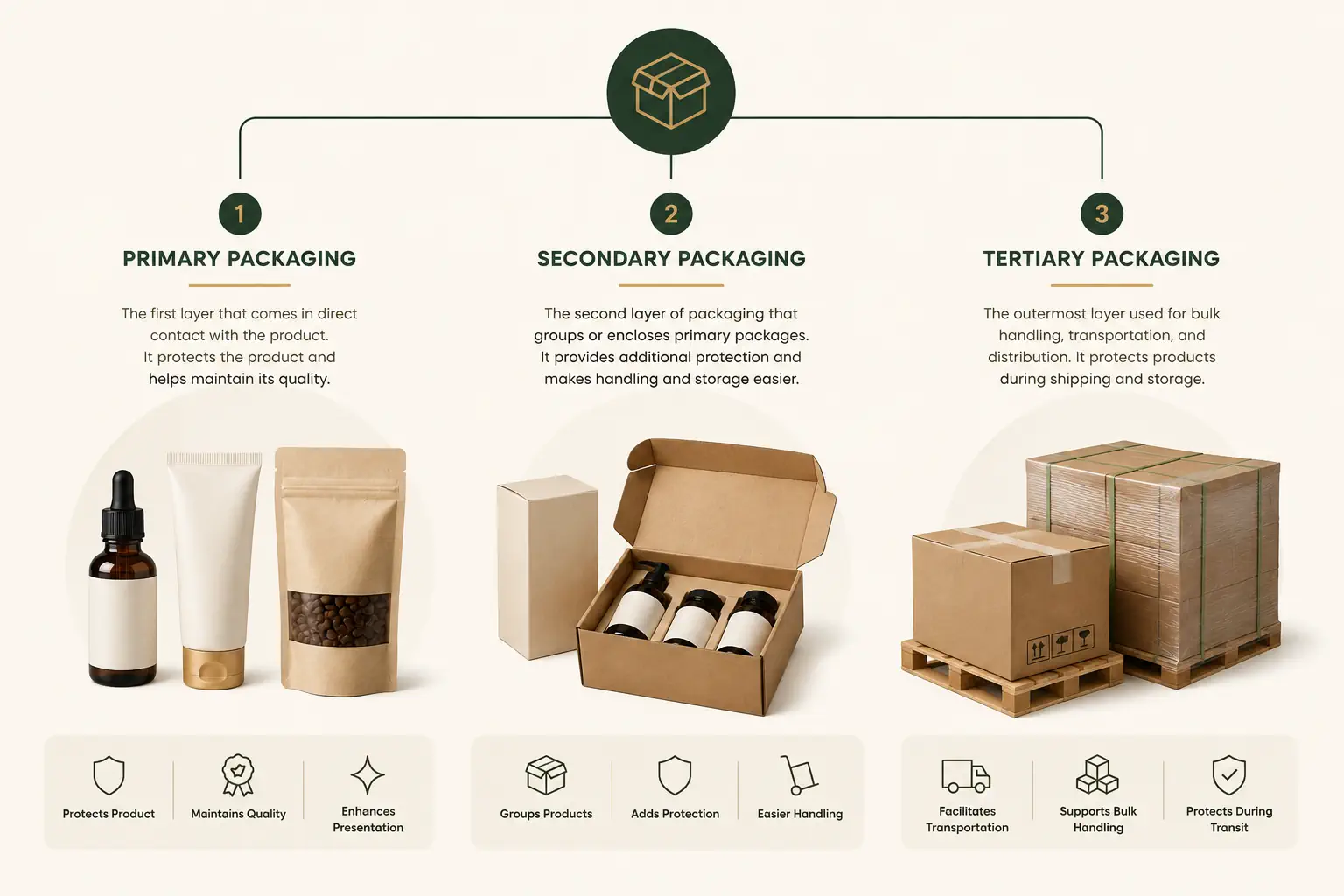
Primary packaging is the layer of packaging that comes into direct contact with a product — the bottle holding a liquid, the wrapper around a candy bar, the blister pack holding a pill. It’s one of the three levels of packaging, and it’s usually the layer a brand invests the most design and compliance attention into, since it’s the piece a customer physically handles and, in many cases, the only barrier between a product and the outside world.
What Counts as Primary Packaging
If you’re not sure whether something is primary packaging, the test is simple: does it touch the product? A shampoo bottle is primary packaging. The box that bottle ships in is not — that’s secondary packaging.
Common examples across categories include cans, bottles, pouches, and jars in food and beverage; blister packs, vials, ampoules, and tubes in pharmaceuticals; jars, tubes, pump bottles, and compacts in cosmetics; and bottles, sachets, and cartridges in household goods. In each case, the primary package is doing double duty: physically containing the product and, in regulated categories, actively preserving it — a blister pack isn’t just a container, it’s often part of what keeps a medication stable and tamper-evident.
Why Primary Packaging Gets the Most Scrutiny
Three things make primary packaging different from the layers around it. Because it touches what’s inside, material selection isn’t just about looks or cost — it has to be chemically compatible with the product. The wrong plastic can leach into a liquid product or react with an active ingredient, which is why primary packaging materials for food and pharma go through compatibility testing that secondary packaging materials generally don’t.
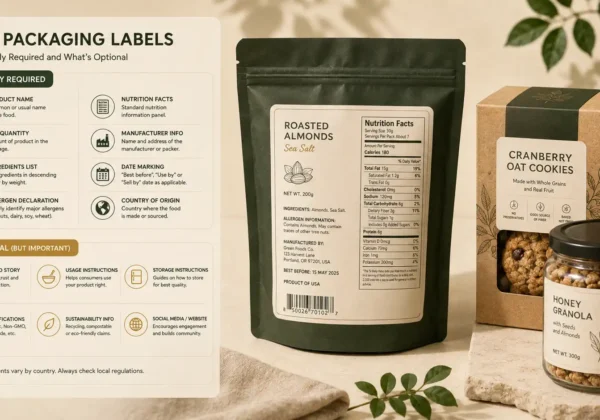
Regulatory weight is also heaviest here. For food, primary packaging carries required label information (ingredients, allergens, nutrition facts) and, for pharmaceuticals, is often subject to formal validation — regulatory bodies govern primary packaging far more tightly than the carton or case around it, which we cover in more depth in our regulations guide.
And because primary packaging is what shows up in a customer’s hand, on a bathroom shelf, or in a product photo, it’s also where the most brand and design investment tends to concentrate, even though secondary packaging is what actually gets seen on a retail shelf in many categories.
Primary vs. Secondary Packaging
The most common confusion is between primary and secondary packaging. Primary packaging touches the product, has the highest regulatory load, and its main job is to contain, protect, and preserve — think a bottle or blister pack. Secondary packaging doesn’t touch the product, carries a lighter regulatory burden mostly around labeling, and its job is to group, brand, and prepare items for transport — think the box or carton around that bottle.
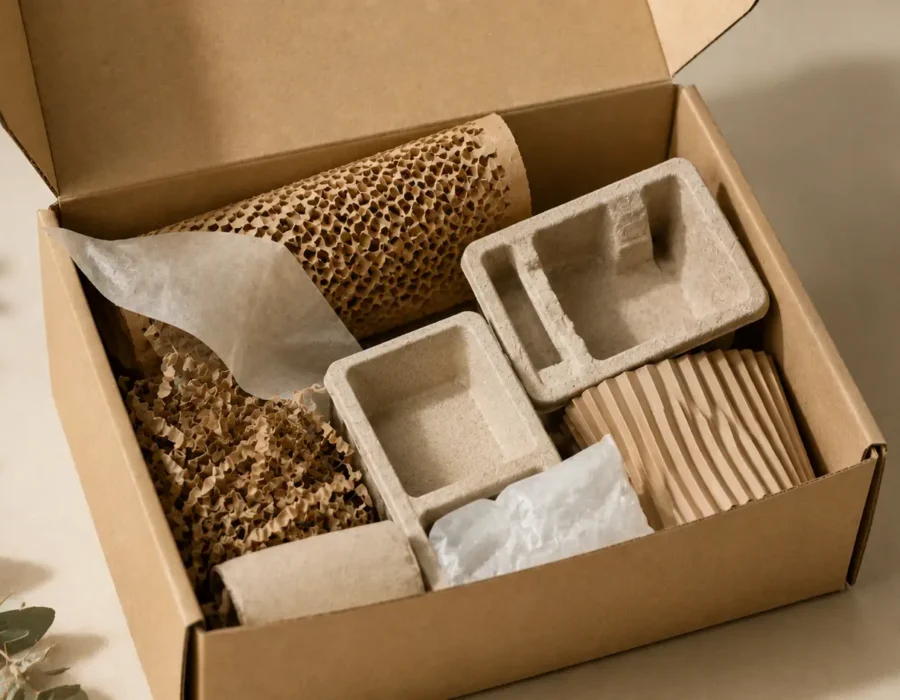
Both layers usually exist together — a bottle of vitamins sits inside a printed carton, which then ships inside a shrink-wrapped case. Each layer is solving a different problem, which is why treating “packaging” as one undifferentiated decision tends to lead to over- or under-investing in the wrong layer. For the full three-way comparison including tertiary packaging, see our primary vs. secondary vs. tertiary breakdown.
Materials Commonly Used for Primary Packaging
Material choice for primary packaging is more constrained than for secondary or tertiary layers, because it has to satisfy both protection needs and direct-contact safety requirements. Glass is chemically inert and doesn’t interact with contents, and is fully recyclable — common for pharmaceuticals and premium food and beverage. Rigid plastic (HDPE, PET) is lightweight and moldable, widely used for bottles and tubs. Flexible film and foil are used for pouches, sachets, and blister packs, offering strong barrier properties per unit of weight. Aluminum, in cans and foil, gives excellent barrier protection against light and oxygen. Our packaging materials guide covers the full comparison across all of these.
Primary Packaging in Regulated Industries
Pharmaceutical primary packaging is worth calling out separately, because the standards are meaningfully stricter than in most other categories. Container-closure systems (the technical term for a primary package plus its cap or seal) have to be validated for compatibility with the specific drug product, and changes to primary packaging can trigger new regulatory filings — something that rarely happens with a redesign of a cereal box.
Frequently Asked Questions
What is an example of primary packaging?
A shampoo bottle, a candy wrapper, a pill blister pack, and a soda can are all primary packaging — each touches the product directly.
Is a cardboard box primary or secondary packaging?
Secondary, in almost all cases — unless the box itself is in direct contact with an unwrapped product, which is unusual.
Why is primary packaging more regulated than secondary packaging?
Because it’s in direct contact with the product, primary packaging affects product safety and shelf life directly. Secondary packaging is mostly regulated around labeling and transport, not product safety itself.
Can one package be both primary and secondary?
Occasionally — a single-serve item sold loose, like an individually wrapped snack sold without an outer box, effectively skips the secondary layer, with its wrapper doing both jobs.