Packaging
Rigid Packaging: What It Is and Where It’s Used
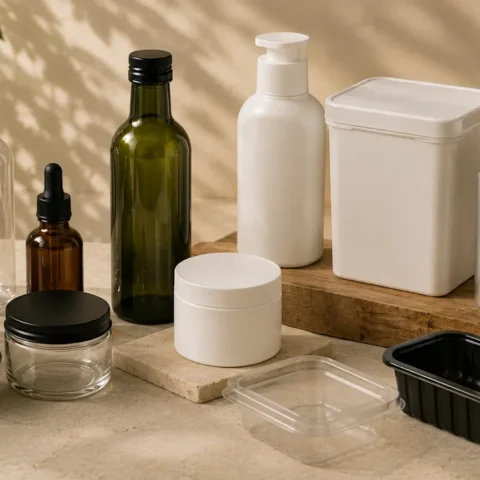
Rigid packaging holds its shape independently of what’s inside it — bottles, jars, tubs, rigid boxes, and clamshells all fall…
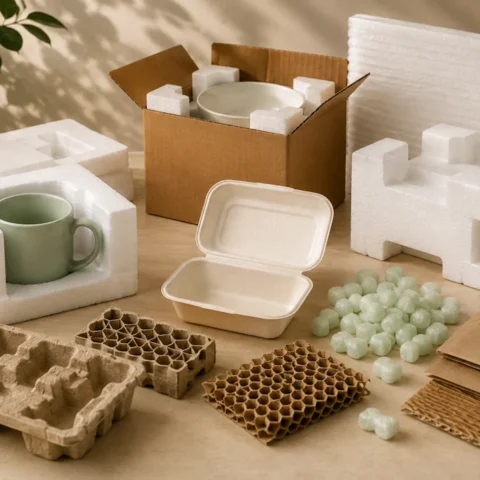
Foam packaging, most commonly expanded polystyrene (EPS, often called by the brand name Styrofoam) or molded polyethylene foam, remains widely…
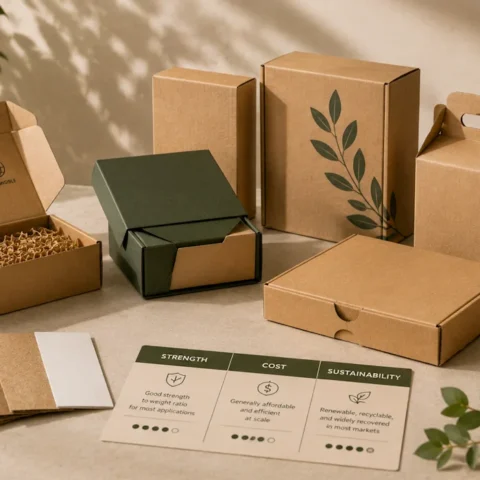
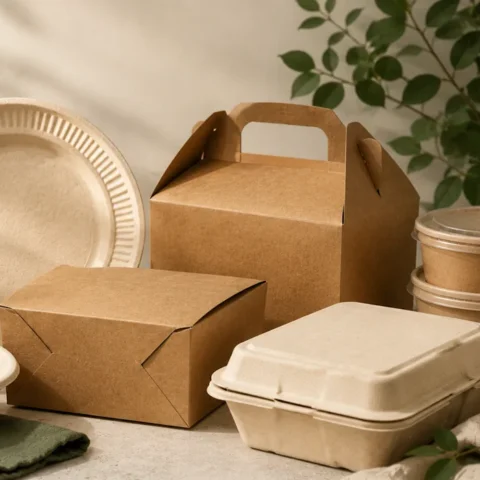
“Cardboard packaging” is used loosely enough in everyday language to cause real confusion when you’re actually trying to buy or…
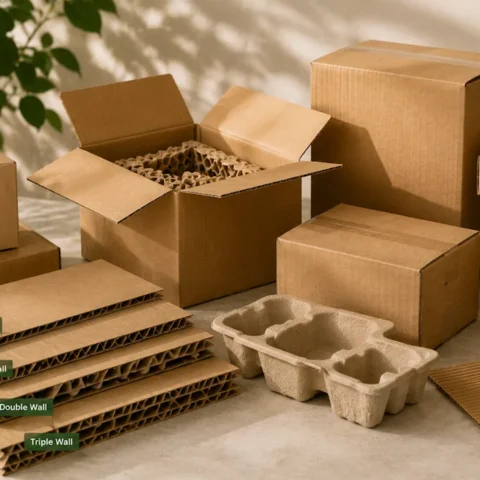
Corrugated packaging is the fluted cardboard material used for most shipping boxes and a large share of secondary and tertiary…
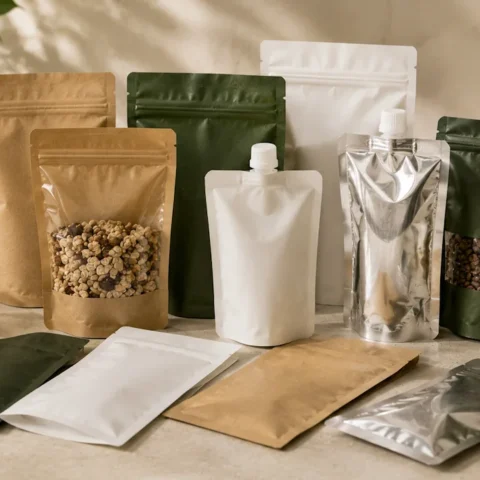
Flexible packaging is any package that doesn’t hold its shape on its own — pouches, bags, films, and wraps that…
Every packaging decision eventually comes down to material, and material is where cost, durability, sustainability, and manufacturability all collide. There’s…
“Food packaging companies” is a broad category covering manufacturers, distributors, and design-and-print specialists, and the right type of company depends…
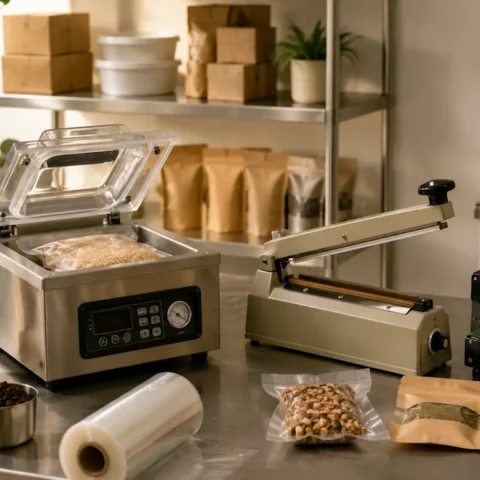
Food packaging equipment spans an enormous range, from a $200 tabletop heat sealer to a six-figure automated form-fill-seal line, and…
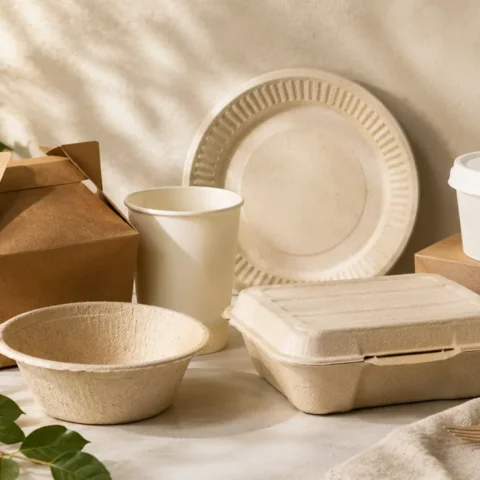
Biodegradable and compostable get used interchangeably in casual conversation, but they’re meaningfully different claims, and confusing them is one of…
“Eco-friendly food packaging” isn’t a specific material or certification — it’s an umbrella term covering several genuinely different approaches, each…